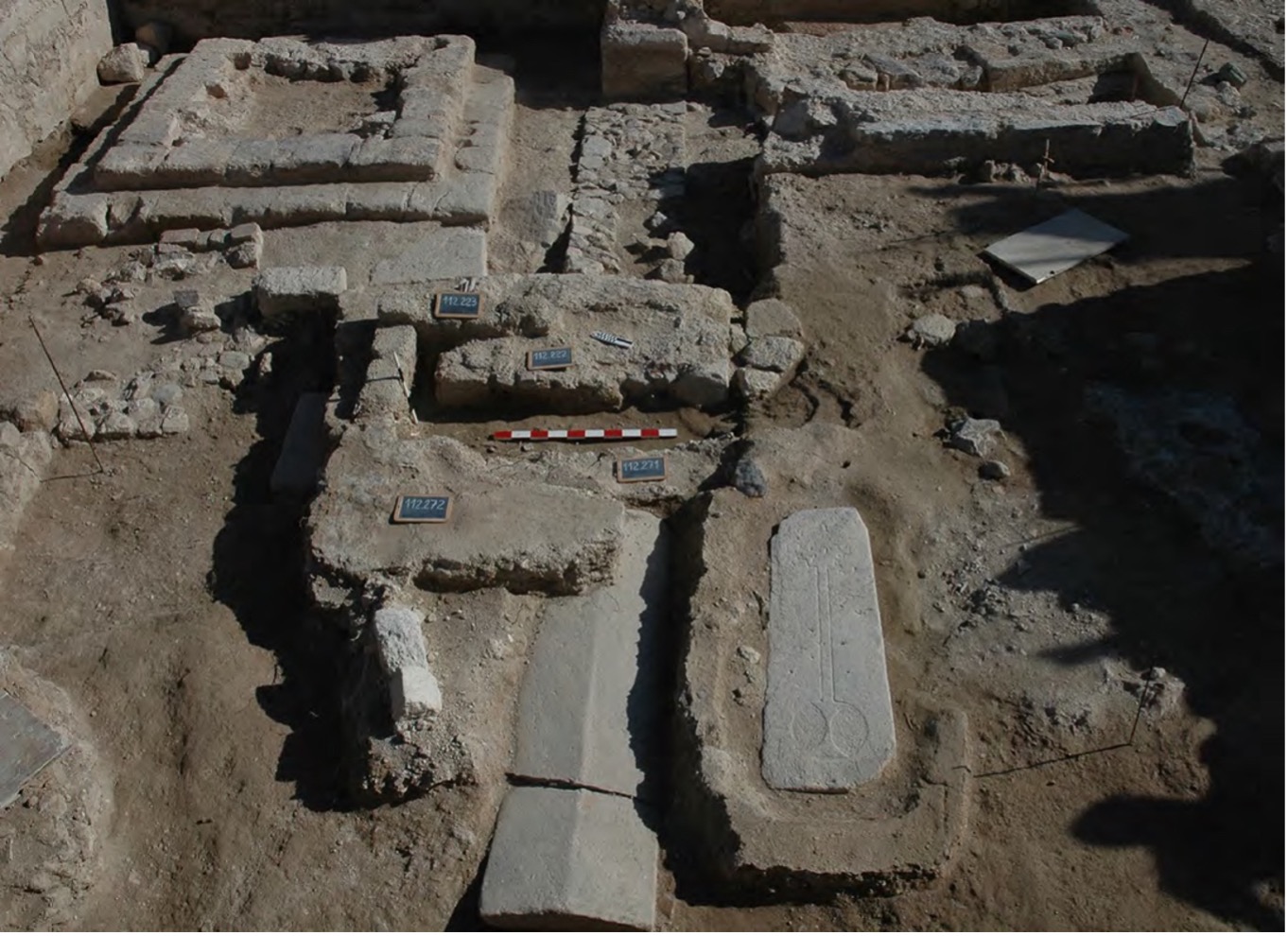
Lab School
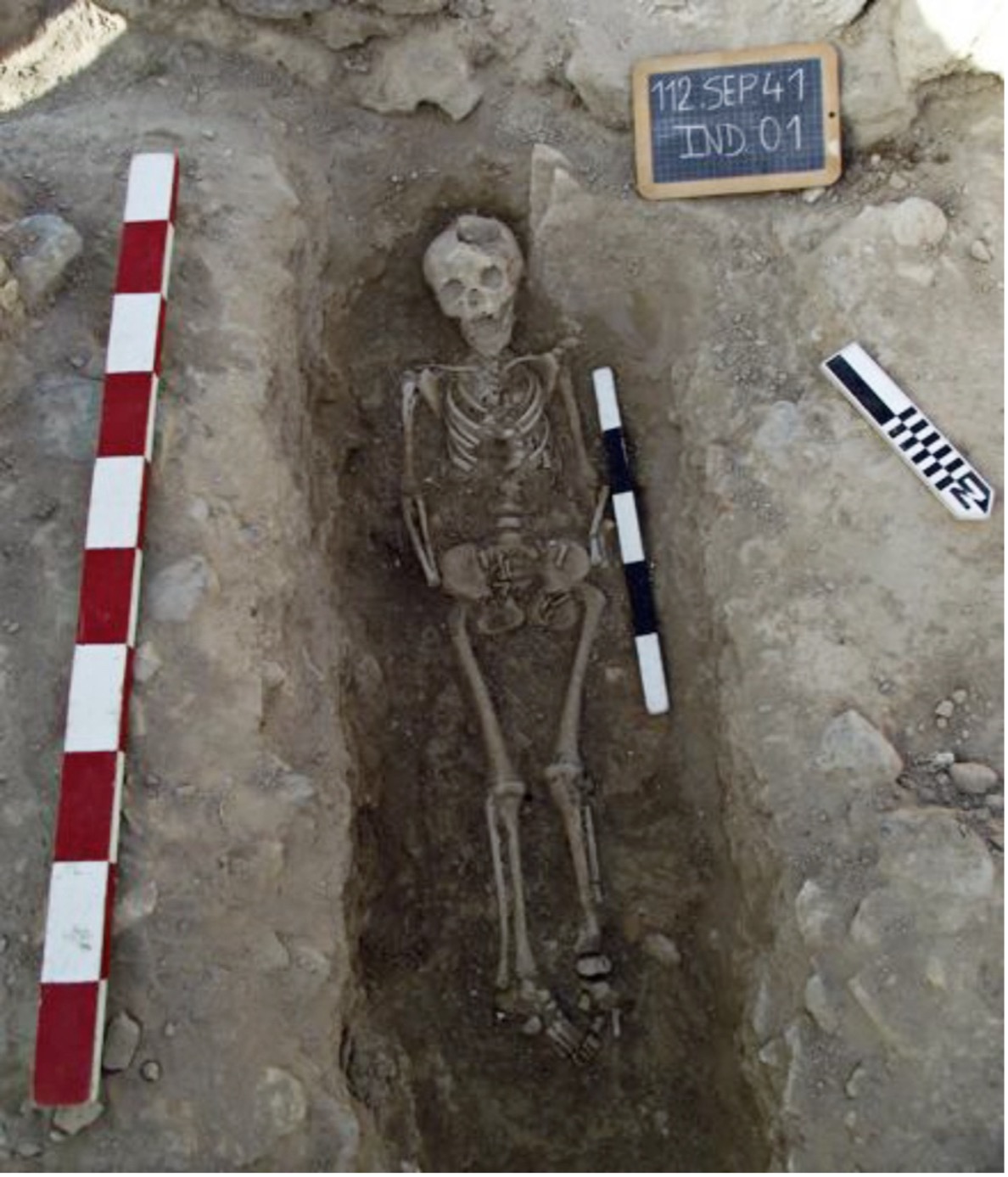
Human Osteology
No previous experience in archaeology or osteology is required, as students will receive practical training in the study of human skeletal remains recovered from the medieval excavations at Castelo de Moura.
Teaching will focus on hands-on exercises under the guidance of experienced specialists, covering human skeletal anatomy, identification of skeletal elements, osteological recording and the assessment of skeletal preservation. Students will be introduced to methods for estimating age-at-death and biological sex, identifying pathological conditions and recognising skeletal modifications associated with burial practices and post-depositional processes.
These skills will be developed through the examination of archaeological human remains, allowing students to understand how osteological evidence contributes to the reconstruction of past populations, their health, living conditions and funerary practices.
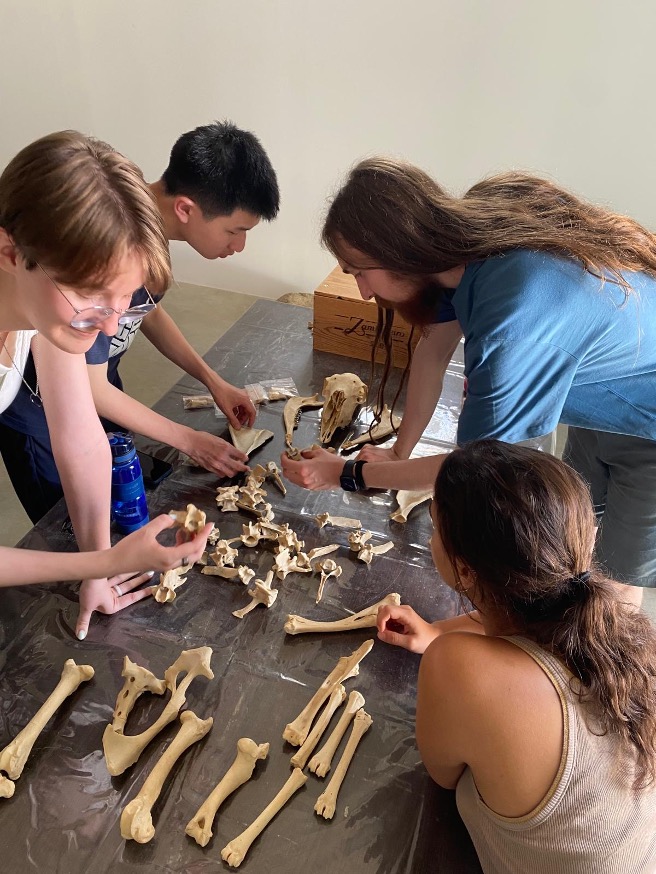
Zooarchaeology
The zooarchaeological component of the programme focuses on the identification, analysis and interpretation of animal skeletal remains recovered from the medieval contexts of Castelo de Moura.
Students will learn to identify animal bones using comparative skeletal collections, distinguish between different taxa and anatomical elements, and record relevant morphological and taphonomic characteristics. Practical training will include the identification of bone surface modifications, such as butchery marks, burning, fractures and traces of animal activity, as well as the assessment of skeletal representation and fragmentation.
Through the systematic analysis of faunal assemblages, students will explore how animal remains contribute to our understanding of medieval diet, livestock management, butchery practices and the exploitation of animal resources.
Both human osteology and zooarchaeology will be taught through practical laboratory work, with students actively participating in the identification, recording and interpretation of archaeological skeletal remains.
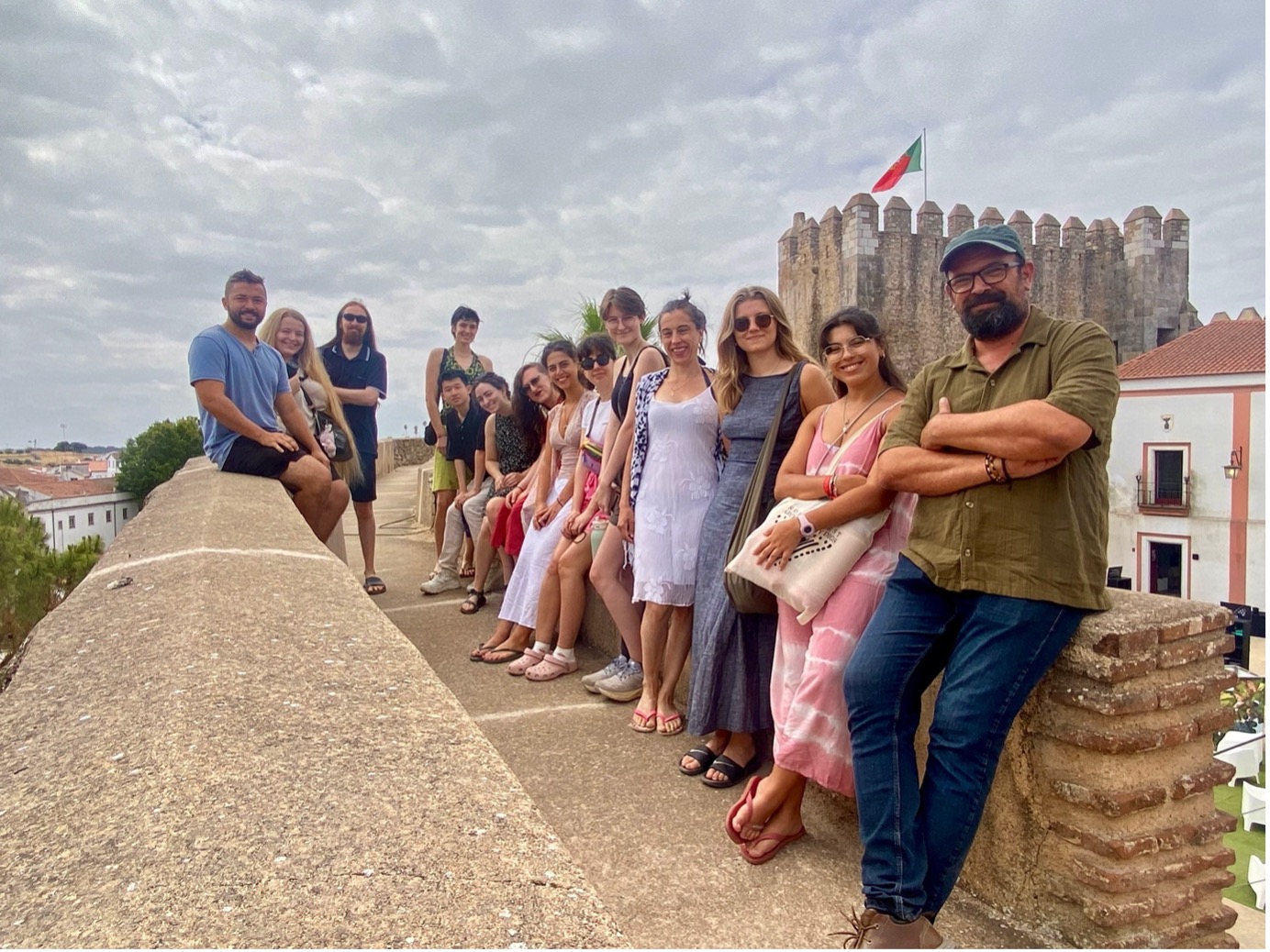
Lectures and Field Trips
Short lectures will complement the practical laboratory sessions, providing the theoretical and methodological background necessary to understand the archaeological significance of human and animal skeletal remains.
Topics will include human skeletal anatomy, biological profiling, palaeopathology, funerary archaeology, zooarchaeological identification, taphonomy, bone surface modifications and the interpretation of medieval osteological assemblages. Lectures will also introduce students to the archaeological and historical context of Castelo de Moura and medieval Portugal. Specific topics may vary depending on the availability of lecturers.
Field trips will provide opportunities to explore the historical and archaeological heritage of Moura and the surrounding Alentejo region, helping students place the material studied in the laboratory within its broader cultural and historical setting.
Sunday will be a free day.